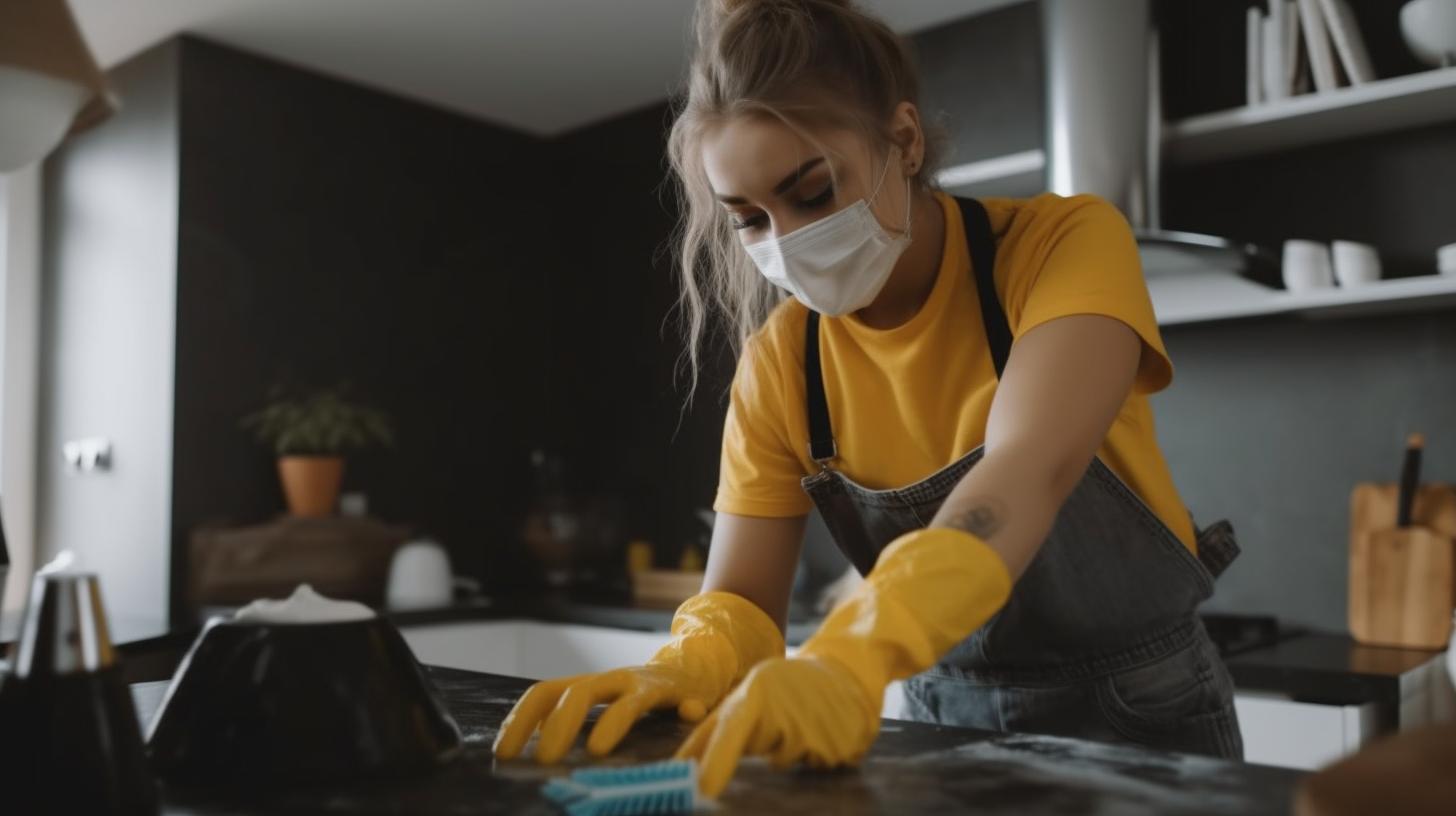
The last few days in a rental home have a peculiar atmosphere. Furniture disappears, familiar rooms begin to echo, and the patch of carpet beneath the sofa looks surprisingly different from the rest. Somewhere between collecting packing boxes and arranging the electricity connection, you notice the oven door, the shower screen and the dust sitting quietly along every skirting board.
Moving makes the small things suddenly visible.
For tenants, that final clean is more than a matter of leaving a pleasant impression. It is part of handing back a property responsibly and preparing for the final inspection. For busy households, home-based business owners and anyone juggling work with relocation, finding suitable help can make an otherwise crowded week feel much more manageable.
Local Bond Cleaning Redcliffe is a company to consider when organising residential end-of-lease cleaning around Redcliffe and the wider Brisbane area. Their lease cleaning Brisbane team can help tenants prepare for inspection. The useful starting point is not simply booking “a clean”, but understanding what the property needs, what the agreement includes and how the work fits into the move.
Making Sense of lease cleaning in Brisbane
End-of-lease cleaning goes by several names. You may see it described as bond back cleaning, move out cleaning, after lease cleaning, lease cleaning, bond cleaning, end of tenancy cleaning or tenancy cleaning. Move in move out cleaning is another common description, although a clean before arrival may have a different scope from one arranged before returning the keys.
The shared purpose is straightforward. An empty or nearly empty home receives detailed attention so that its condition can be assessed without everyday belongings getting in the way.
However, the name of a service does not tell you everything included. One quote might cover interior cupboards and accessible glass, while another treats carpet cleaning or certain window-cleaning tasks as separate services. Clear written inclusions matter more than a familiar label.
Start with the condition report
Before requesting a quote, look at the entry condition report, any photographs taken when you moved in and the cleaning requirements supplied by the property manager.
These documents help distinguish between dirt that needs cleaning and an issue that may be pre-existing, maintenance-related or ordinary wear and tear. Cleaning cannot reverse faded paint, restore worn carpet fibres or repair damaged cabinetry.
In Queensland, tenants generally need to return a property in a condition consistent with its condition at the start of the tenancy, allowing for fair wear and tear. For questions about a particular obligation, check current Residential Tenancies Authority guidance and the tenancy agreement rather than relying on a generic checklist.
Think in tasks rather than promises
“Bond back” is a familiar industry phrase, but it should not be treated as an unconditional promise that a bond will be returned. Bond outcomes can involve matters beyond cleaning, including rent, damage and other tenancy issues.
A more useful conversation focuses on the rooms, surfaces and tasks included, along with any process for addressing cleaning concerns after inspection.
Getting to Know Local Bond Cleaning Redcliffe
A locally focused company can be a useful starting point when planning a move in Redcliffe or nearby suburbs. Local Bond Cleaning Redcliffe’s name makes its residential bond-cleaning focus clear, while its website, bondcleaningredcliffe.com.au, provides a place to begin enquiries.
Before booking, confirm that the company services your exact address, particularly if the property is elsewhere in greater Brisbane. Availability, travel arrangements and the practical requirements of an individual home are worth checking early.
The most productive enquiry is specific. Explain the property size, number of bathrooms, flooring types and whether it will be empty. Mention anything likely to need additional attention, such as heavy cooking residue, pet hair or extensive glass.
Ask for written confirmation of the proposed scope, price, exclusions and booking conditions. That gives everyone the same reference point when moving day becomes busy.
Useful questions before you commit
A short list can prevent a long exchange of messages later.
- Does the quote cover the entire house interior?
- Are carpet cleaning and window cleaning included or separately priced?
- Do cupboards, drawers and wardrobes need to be empty?
- What access, water and electricity arrangements are required?
- Are there limits relating to height, heavy staining or difficult access?
- What happens if the property manager raises a cleaning concern?
These questions are not about expecting problems. They are about making the service fit the property.
The House Interior Deserves a Systematic Approach
An empty house can look clean at a glance while still holding a surprising amount of dust and residue. Once the furniture is gone, previously hidden areas become part of the picture.
A systematic interior clean usually works best from higher surfaces downwards, with floors completed after dust and debris have been removed elsewhere. The exact method depends on the materials and their condition.
The details that become visible after moving
Accessible skirting boards, door frames, switches, internal doors and wardrobe shelving all deserve consideration. So do cupboard interiors, provided they are empty and included in the agreed service.
Window tracks collect grit. Wardrobe corners hold lint. Door handles and the areas around light switches can retain marks from daily use.
Walls require particular care. Some finishes tolerate gentle spot cleaning, while others can become patchy or lose paint when rubbed. Discuss visible marks beforehand rather than assuming full wall washing is included or suitable.
For people running a small business from home, the former study may also need special attention. Cable clusters and filing cabinets can conceal dust, while desk mats sometimes leave a noticeable outline on the floor.
Giving the Kitchen Its Final Reset
Kitchens tend to carry the clearest evidence of everyday living. Cooking vapour settles on surfaces, crumbs find their way into drawers, and small spills harden when nobody is looking.
A good assessment considers the room as a whole rather than focusing only on the benchtop.
Ovens and cooking surfaces
The oven is often one of the most time-consuming parts of an end-of-tenancy clean. Baked-on residue, greasy racks and marked glass require more attention than a quick wipe.
When discussing the scope with Local Bond Cleaning Redcliffe, clarify what oven cleaning involves and whether trays, racks and accessible door glass are covered. The same applies to cooktops, rangehood surfaces and removable filters.
Different materials need different treatment. Abrasive products can scratch some surfaces, while strong chemicals may be unsuitable for particular finishes.
Cupboards and overlooked spaces
Kitchen cupboards and drawers should be emptied before cleaning begins. That includes the crumbs beneath drawer liners and forgotten items at the back of pantry shelves.
Other areas worth discussing include splashbacks, sinks, taps and the space left behind after a freestanding refrigerator is removed. If an appliance belongs to the property, make sure its cleaning requirements are understood.
Emptying everything early makes the work more efficient and reduces the chance of an overlooked shelf becoming a last-minute task.
Bathrooms Need More Than a Pleasant Scent
A bathroom can smell fresh and still have soap residue on the shower screen or grime around the base of a tap. The most useful results are visible and practical, not heavily perfumed.
Glass and moisture-prone areas
Shower glass, tiles, screens and accessible fittings all need attention appropriate to their materials. Soap scum and mineral deposits may respond differently to treatment, and long-standing staining may not disappear completely.
Grout and silicone also need realistic expectations. Surface cleaning may improve their appearance, but deteriorated sealant or deeply embedded discolouration can be a maintenance matter rather than a cleaning task.
Raise these concerns before the appointment. It is easier to discuss an existing issue in advance than during a final inspection.
Vanities and fittings
Vanity drawers, cupboard interiors, mirrors, basins and toilets should be considered in the room-by-room scope. Accessible exhaust fan covers may also need attention, subject to the service’s access and safety limits.
Before cleaners arrive, remove toiletries, bathmats, bins and stored items. A clear room makes detailed work easier.
Planning Carpet Cleaning and Window Cleaning
Carpets and windows can significantly affect how a property presents, but both need a more specific conversation than “please include everything”.
Carpet care after the furniture leaves
Vacuuming removes loose debris, while professional carpet cleaning addresses a different level of soil. The appropriate method depends on the carpet, its condition and any applicable tenancy requirements.
Tell the provider about pets, spills, odours and known stains. Not every mark can be removed, particularly where fibres have been bleached, damaged or permanently discoloured.
Allow time for drying before the final inspection or any necessary foot traffic. Weather, ventilation and the cleaning method can all influence how long that takes.
Defining the window-cleaning scope
Window cleaning may involve internal glass, external glass, frames, tracks and screens, but these are not automatically one combined task.
Ask exactly which components are included. Upper-storey windows, security screens and awkward exterior access can affect what is practical or require separate arrangements.
In coastal areas around Redcliffe, exposed glass may collect salt residue as well as ordinary dust. Pointing out the condition and access arrangements helps the provider assess the job accurately.
A Moving Schedule That Leaves Breathing Room
The clean is usually easier to organise once the removalists have finished and the property is empty. Cleaning around boxes and furniture can restrict access and create the need to repeat work.
A simple sequence helps.
- Review the condition report and property manager’s instructions.
- Request a written cleaning quote with clear inclusions.
- Arrange removalists before the cleaning appointment.
- Keep water and electricity available as required.
- Leave time for drying and a final walkthrough.
- Photograph the property and retain relevant receipts.
For small business owners working from home, it may help to treat moving day as a business interruption rather than an ordinary working day. Protecting a few hours for access arrangements, calls and unexpected delays can prevent the move from colliding with client commitments.
Frequently Asked Questions
Is bond cleaning different from ordinary house cleaning?
Usually, yes. Routine cleaning maintains a lived-in home, while end-of-lease cleaning generally involves more detailed attention to an empty property. The actual difference depends on the agreed inclusions.
Do I need professional cleaning to get my bond back?
Not every tenancy has the same circumstances or requirements. Check the tenancy agreement and current Queensland guidance. Professional cleaning can be convenient, but hiring a cleaner does not automatically determine the bond outcome.
Should I book carpet cleaning separately?
Ask before booking. Some providers coordinate it within a broader service, while others quote it separately. Confirm the method, price and timing rather than assuming it is included.
Can cleaning remove every stain?
No. Some stains are permanent, and some apparent marks are actually wear, corrosion or surface damage. A realistic assessment is more useful than a promise that every surface will look new.
What if the inspection identifies a missed area?
Contact the cleaning provider promptly and refer to the written booking terms. Ask in advance whether there is a process for reporting concerns, what evidence is needed and whether any time limits apply.
Leave the Keys with One Less Worry
A well-organised end-of-lease clean is less about chasing perfection and more about clarity. Know the starting condition of the home, agree on the work, prepare the rooms and leave enough time to check the result.
For households considering Local Bond Cleaning Redcliffe, a detailed enquiry is the best first step. Visit the website to discuss the house interior, kitchen, bathrooms, carpets and windows individually, then confirm how those tasks fit into the booking.
Moving will always involve a few loose ends. With a practical cleaning plan, the home you are leaving does not have to be the one that follows you into the next chapter.